High-quality pieces you need weekly
Choose this for garments with good fabric, useful structure, and a fit issue a tailor can realistically solve.
Blazers, trousers, work dresses, jeans, coats, skirts, occasionwear
If your clothes are suddenly too big, the strongest next move is not replacing everything. Start by deciding what should be altered now, what should wait, what should be replaced, and what is ready to leave your closet.

After weight loss, a closet can feel both familiar and unusable. The question is not whether tailoring works in general. The question is whether this specific garment has enough value, structure, and timing to earn the alteration.
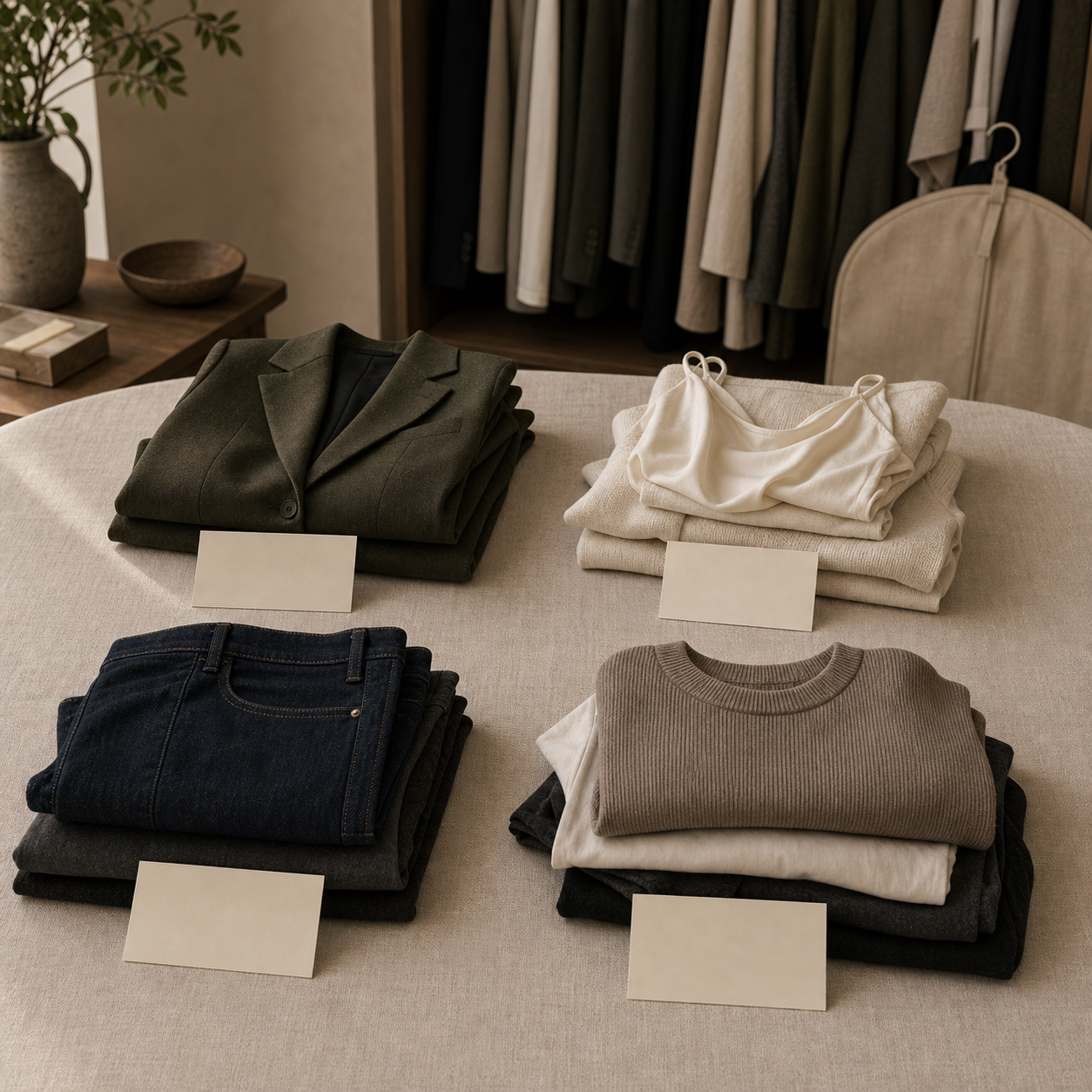
Use the four-part review below before spending money: alter now, wait, replace, or let go.
Give every piece one job. If it cannot earn a clear answer, it probably should not be first in line for tailoring.
Choose this for garments with good fabric, useful structure, and a fit issue a tailor can realistically solve.
Blazers, trousers, work dresses, jeans, coats, skirts, occasionwear
A garment may be worth keeping, but not worth tailoring twice. Wait if your current fit is changing quickly.
Investment jackets, formalwear, lined dresses, seasonal coats
Replacement makes more sense when the alteration cost would be close to buying a better-fitting version.
Basic tees, worn knits, stretched leggings, inexpensive casual pieces
Some clothes have done their job. If the fabric, proportion, or construction cannot support the change, release it.
Damaged garments, distorted knits, pieces several sizes away
Prioritize garments where fit changes the whole outfit. Structured pieces usually have clearer alteration paths than soft, stretched, or low-cost basics.
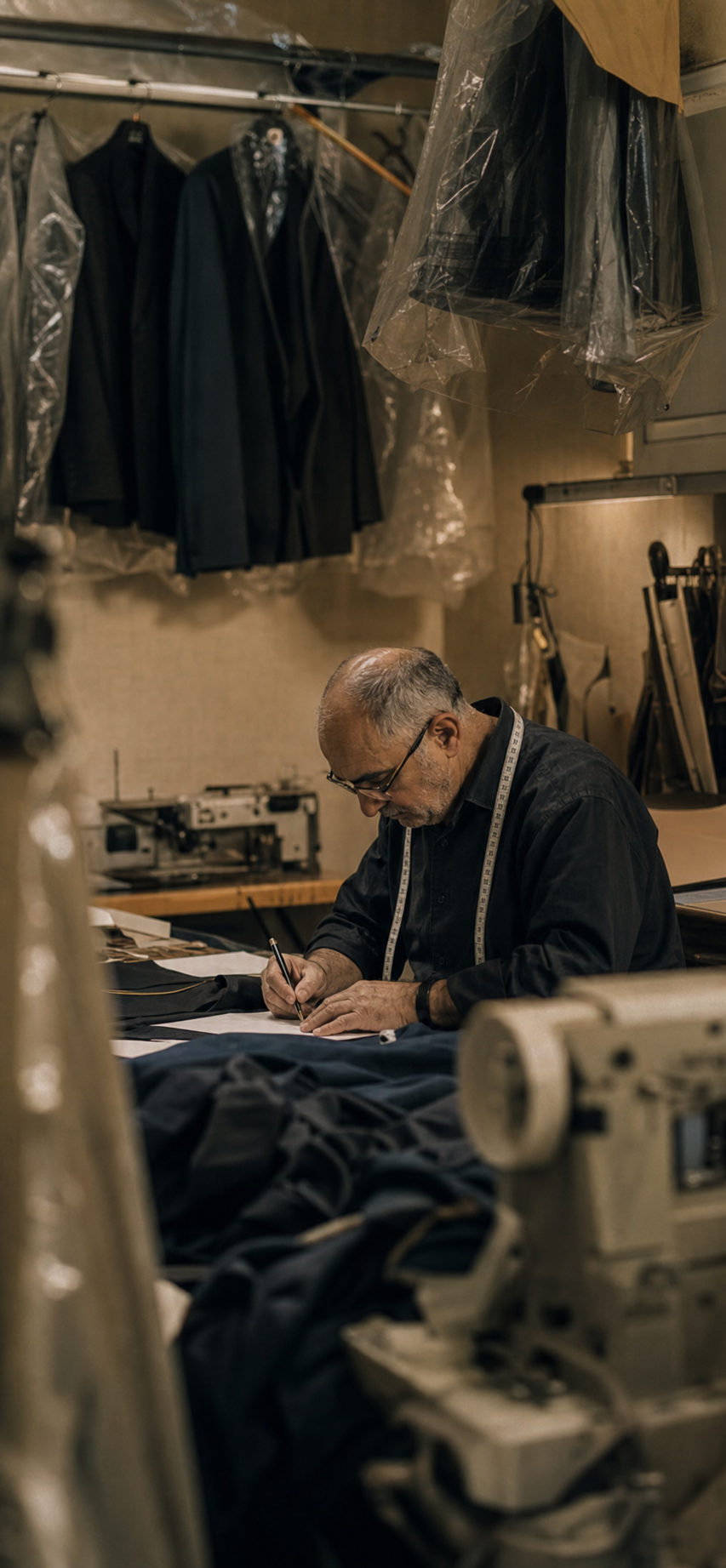
A blazer can often be taken in through the body, sleeves, or back seams when the shoulders still sit close enough to your frame.
Waist gaps, loose seats, hems, and tapering are common review points. Sturdy denim and lined trousers usually earn a closer look.
Bodice fit, straps, waist shaping, and hem proportion can make a dress wearable again when the fabric and seams allow it.
These pieces can be expensive to replace, so they deserve review before you donate or repurchase them.
Low-cost basics, worn-out knits, heavily stretched fabrics, and pieces several sizes away from your current body are often better replaced. Tailoring should make the garment feel intentional, not merely smaller.
If your body is still changing, the best answer may be patience. This is especially common during fast weight change, including GLP-1-related wardrobe changes. That does not mean you have to live in clothes that do not fit. It means you should alter the few pieces that solve immediate problems and wait on the expensive, complex, or sentimental pieces.
If your size is still moving and you need a practical interim plan, start with the GLP-1 wardrobe bridge guide.
If rapid size change has affected most of the closet, use the 30-day rapid weight-loss wardrobe plan to separate immediate outfit needs from later tailoring decisions.
This guide is wardrobe planning only, not medical advice. For health questions, work with your clinician.
Some garments carry more than fabric value: the dress from a meaningful night, the blazer from a career moment, the jeans that finally felt like you. Those pieces deserve a review, even if the answer is not always alteration.
For sentimental pieces, the practical question is: will tailoring let you wear it confidently again, or would preservation, restyling, or letting it rest be more honest?
If the piece carries enough memory that the answer feels complicated, use the favorite-clothes review guide.
A good alteration plan protects both the garment and the money you would spend on it.
It can be worth it for high-quality, structured, meaningful, or hard-to-replace pieces. It is usually not worth it for worn basics or garments where the alteration cost is close to replacement.
Start with the clothes you actually need in the next few weeks: workwear, jeans, trousers, a blazer, a coat, or an event dress. A practical piece you wear often usually matters more than a sentimental piece you rarely reach for.
Often, yes. If your size is still changing quickly, wait on expensive or complex pieces unless you need them now. Alter only the garments that solve an immediate wardrobe problem.
Sometimes, but every garment has limits. Taking a piece down too far can distort pockets, shoulders, seams, waist placement, or proportions. That is why each garment should be reviewed before work begins.
Compare the expected alteration cost with the garment's replacement cost, quality, use, and emotional value. If the final piece will not earn regular wear, replacement or letting go may be better.
The Refitting Room helps you decide what can be refit, what should wait, what should be replaced, and what is ready for a new chapter.
Book the $199 Workwear Transition Plan$199 · 60 minutes · 5–7 garments · Paid upfront to reserve · Alterations and purchases separate