Wear it again with confidence
Choose alteration when the garment has strong construction, enough seam allowance, and a future role in your real life.
Blazers, coats, trousers, structured dresses, special occasion pieces
A favorite garment can be too big and still not be ready to leave your life. Before you donate it or pay for tailoring, decide whether the piece should be altered, preserved, restyled, or released.

Weight loss can make a closet feel emotionally crowded. Some pieces no longer fit your body, but they still fit a memory, a chapter, or a version of yourself you respect.
The question is not whether you should keep everything. The better question is what role each meaningful garment should play next.
Meaningful clothes deserve more than a quick donate pile. Give each piece a clear next role before you spend money or closet space on it.
Choose alteration when the garment has strong construction, enough seam allowance, and a future role in your real life.
Blazers, coats, trousers, structured dresses, special occasion pieces
Preservation is honest when the garment matters emotionally but would lose its character if it were changed too far.
Heirloom pieces, milestone dresses, delicate fabrics, garments with fragile details
Sometimes the best version is not smaller. A tailor may be able to shorten, reshape, layer, or turn the piece into something easier to wear.
Long dresses, oversized shirts, jackets, skirts, separates with good fabric
A favorite garment can have served its purpose. Letting go is easier after you know alteration would not make it feel like itself again.
Distorted knits, damaged fabric, pieces several sizes away, garments you would not choose now
Sentimental value can earn a review, but construction decides whether tailoring will look natural. Start with the pieces that still have strong fabric, close-enough structure, and a real place in your life.
Look for fabric that is not thin, warped, faded beyond repair, or stretched out. Sentimental value matters, but weak fabric limits the result.
Shoulders, rise, waist placement, pocket position, and major seams decide whether a smaller fit will still look intentional.
A meaningful piece is a better alteration candidate when it has a realistic next use: work, events, travel, weather, or a regular outfit role.
If the memory matters more than wearing it, preservation may be the better answer. If wearing it again matters, tailoring deserves a review.
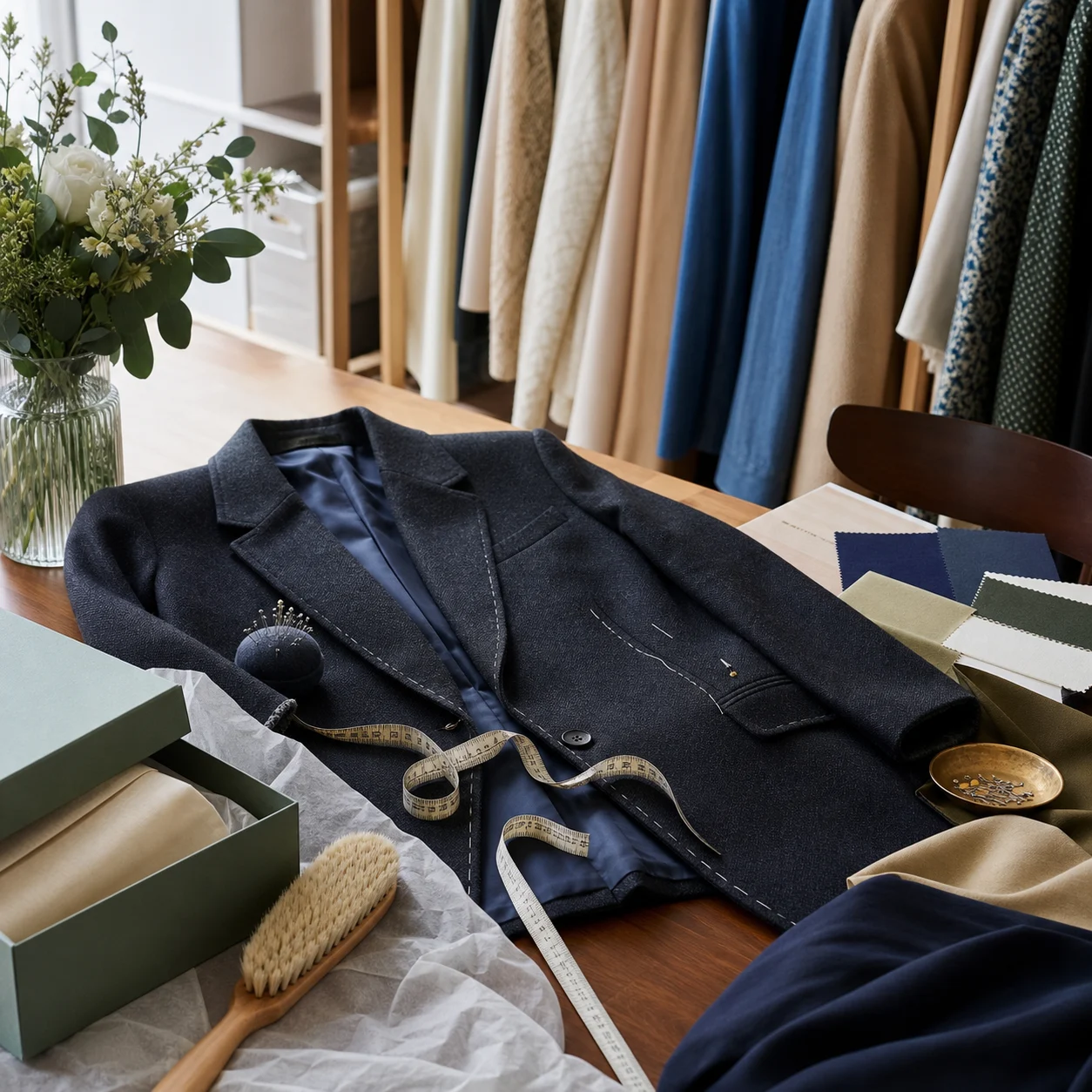
One favorite garment can slow down an entire closet cleanout. Pull it aside, give it a separate review, and let the rest of the wardrobe move forward.
For practical construction and cost signals, use the alter, wait, replace, or let go decision guide. If your size is still changing quickly, the GLP-1 wardrobe bridge guide can help you avoid repeat alteration decisions.
Letting go is easier when the answer is specific: the fabric is tired, the alteration would be too extreme, the proportions would change the design, or the piece belongs to a chapter you are allowed to close.
A clear review gives you more than a yes or no. It gives you permission to keep the right pieces and stop negotiating with the rest.
A garment can be meaningful without needing to stay wearable forever.
Often, yes, but every garment has limits. Structured pieces with strong fabric and workable seams are better candidates than stretched knits, damaged fabric, or pieces that are many sizes away.
Separate the memory from the fit problem. The right answer might be alteration, preservation, restyling, photographing the piece, or letting it go after a clear review.
It can be worth reviewing if the dress has strong fabric, useful seams, and a future occasion. If the bodice, shoulders, waist, or proportions would be distorted, preservation or restyling may be better.
Preserve the garment when changing it would damage the fabric, remove meaningful details, distort the original design, or turn a memory piece into something you still would not wear.
Let go after you have a clear reason: the fabric is tired, the alteration would be too extreme, the piece no longer fits your life, or keeping it is making the closet harder to use.
Start with the $199 Workwear Transition Plan. We will review 5–7 garments in 60 minutes and create a clear plan for what to refit, hold, or replace.
Book the $199 Workwear Transition Plan3 founding spots · Paid upfront to reserve · Alterations and purchases separate